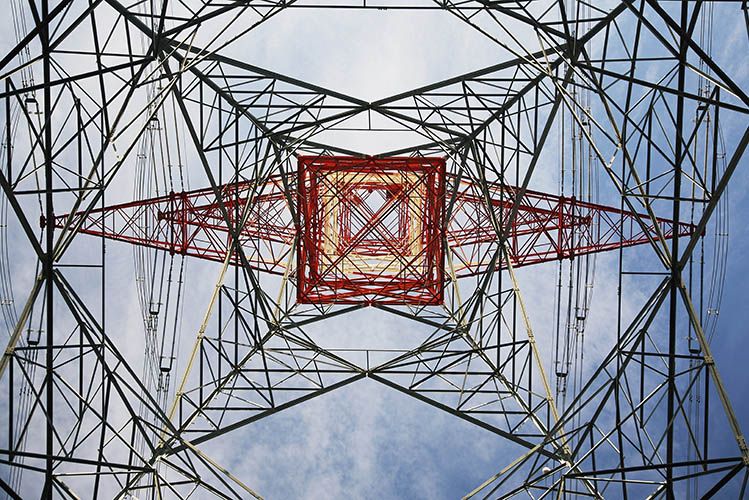
Axis of symmetry with real-life examples
The axis of symmetry is a fictitious straight line that divides a shape into two identical parts, one of which is the mirror image of the other. When the two parts are folded along the axis of symmetry, they superimpose. The straight line is also known as the line of symmetry/mirror line.
This line can be horizontal, vertical, or slanted. This axis of symmetry can be found in nature, such as flowers, riverbanks, buildings, leaves, and so on. The Taj Mahal, India’s iconic marble structure, has an axis of symmetry that we can see.