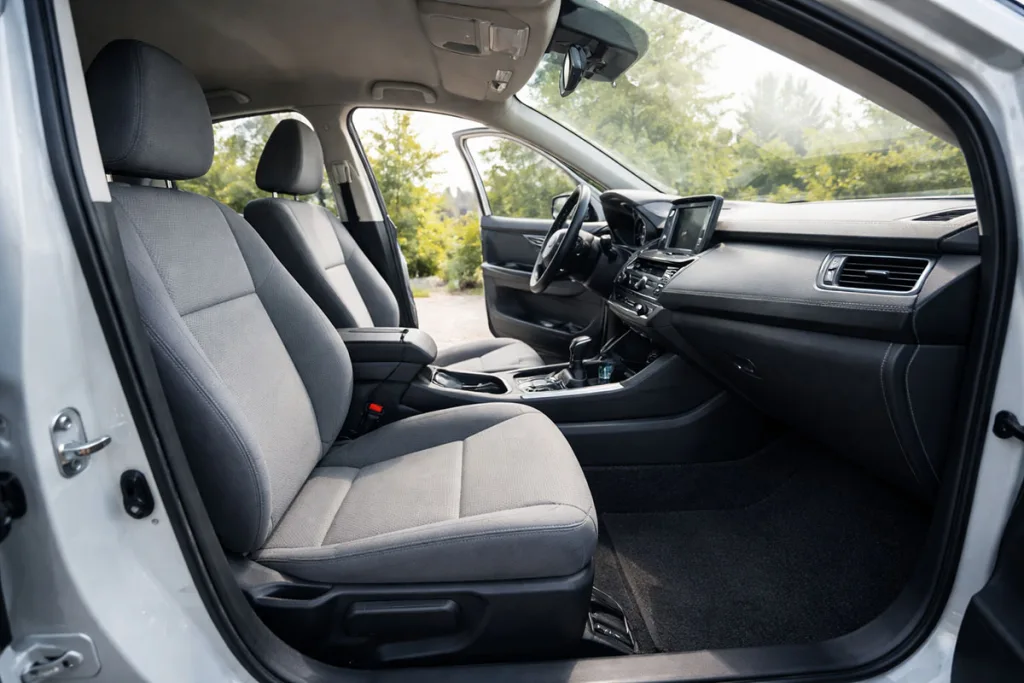
If you spend enough hours inside a car, it stops feeling like a machine and starts acting like a room with wheels. It absorbs moods, snacks, stress, spilled coffee, and yes, cigarette odor. I learned this the hard way after lending my car to a friend during a rainy week. Windows stayed shut, heater ran nonstop, and when I got the keys back, the interior smelled like an old ashtray that had opinions. I don’t smoke. My head throbbed every time I drove. That smell followed me home, into my jacket, into my thoughts. Dramatic, maybe. Also real.
This guide pulls apart what works, what sort of works, and what feels like it works for an hour and then turns sour. If you’ve been Googling how to get rid of cigarette smell in car at 1 a.m., same. Let’s walk through it, with a few side roads.
Why smoke smell refuses to leave
Smoke particles are small and clingy. They stick to fabric fibers, foam padding, headliners, seat belts, carpets, even the plastic dash gets involved. Once the heating or AC pulls that air through the vents, the smell sets up camp inside the ductwork. That’s why spraying air freshener feels hopeful and then pointless. You’re scenting over something that already lives there.
Cigar smell behaves even worse. Thicker smoke, oilier residue, longer memory. Cigars feel like the smell equivalent of a stubborn houseguest who rearranges your furniture.
Start with a reset, not shortcuts
Before hunting miracle fixes, the car needs a reset. Open every door. Trunk too. If weather allows, let it sit like that. An hour helps. Two is better. Moving fresh air through the cabin clears out what’s loose and stale, and while it won’t solve the problem by itself, your nose will notice the difference before anything else happens.
Now vacuum. Slowly. Seats, seams, under seats, trunk carpet. Use attachments, get annoyed, keep going. Smoke ash hides in places that make no sense. Pull out floor mats and vacuum both sides. Shake them outside like they owe you money.
Ashtrays deserve special treatment. Wash them with dish soap and hot water. Leave them outside for a while. If they smell after drying, they go back to the sink. Repeat. Yes, again.
This step alone won’t remove smoke smell from car fully, though it sets the stage.
Washing the invisible layers
Hard surfaces need wiping. Dash, steering wheel, door panels, cup holders, seat backs. Use a mild interior cleaner or diluted vinegar. The vinegar smell fades. The smoke smell often does not return.
Glass matters more than people expect. Smoke coats windows with a thin film. Clean inside glass with vinegar water or a citrus-based cleaner. Use newspaper if you want streak-free results and a faint old-school feeling.
Ceilings, the headliner, require care. Blot lightly with fabric-safe cleaner. No soaking. Gravity wins fast here.
Fabric and upholstery, where battles are won or lost
Seats and carpets trap the worst of it. A wet-dry vacuum or upholstery cleaner helps. Steam cleaning works too, though go easy. Overdoing moisture causes other problems, mold being one, and that smell competes aggressively.
If you’re trying how to get cigarette smell out of car without machines, baking soda is old advice for a reason. Sprinkle it over fabric surfaces, rub lightly with a brush, leave overnight. Vacuum the next day. Sometimes repeat. Coffee grounds work similarly, though they introduce their own personality. Charcoal bags absorb odors quietly, no fuss.
One afternoon, after a long road trip, I left an open bowl of baking soda on the back seat and forgot it overnight. The car smelled neutral the next morning. Not floral. Not fake. Just air. That felt like winning.
Ventilation systems, the forgotten zone
Air ducts store smoke memories. Turn the car on, set the fan to high, and make sure it’s pulling outside air, not recirculating. Spray an odor-neutralizing product into the exterior air intake, often near the windshield wipers. Keep doors open while doing this. Let it run for ten minutes so treated air moves through the system instead of lingering in one spot.
Some people swear by placing an air freshener near the intake while running the fan. It can help temporarily, though deep residue sometimes resurfaces later, especially on humid days.
This step matters when figuring out how to get rid of smoke smell in car long term.
Home remedies that feel odd and still work
Vinegar bowls left overnight can help dull lingering smells in enclosed spaces. Activated charcoal works more reliably by absorbing odors over time. Crumpled newspaper doesn’t magically clean the air, but it can take the edge off stale cabin smells when the car is closed up. It feels strange, placing yesterday’s news on your seats, though it can make a small difference.
Citrus peels simmered in water create steam that carries light scent. Place the warm bowl in the car with windows shut for a short time. Don’t drive like this. Please don’t.
Cinnamon sticks left under seats add warmth. Too much turns heavy. I learned that lesson quickly.
These methods help get rid of cigarette smell in car without relying on harsh chemicals.
Commercial products and heavier options
Odor eliminator sprays that neutralize molecules, not mask them, can help. Fogger-style products fill the cabin and circulate through vents. Follow instructions. Ventilate after.
Ozone treatment sits at the far end of solutions. It breaks down odor-causing compounds and can reduce smoke smell dramatically. It also requires caution. Overuse affects interior materials and breathing. Professional services handle this with timers and experience. If the smell feels embedded in every inch, this is often the last option people try when other methods haven’t gone far enough.
Maintenance so the smell stays gone
After cleaning, habits matter. Replace cabin air filters. They hold smells longer than expected. Keep windows cracked when parked if weather allows. Avoid smoking inside, even briefly. Smoke clings faster than it leaves.
Fresh flowers work short term. Dryer sheets under seats give gentle scent. Avoid stacking fragrances. Mixed smells turn confusing fast.
A friend once joked that cars remember everything. Mine remembered that rainy week. It took patience, repetition, and a few strange experiments to fix it.
Real talk, does it always work?
Most of the time, yes. Some older cars with years of exposure need professional help. Leather, foam padding, insulation layers can trap smoke beyond DIY reach. That’s when hiring a detailer saves sanity.
If you’re searching how to get smoke smell out of car because you plan to sell it, start early. Buyers notice immediately. Noses don’t negotiate.
Final thoughts that wander a bit
There’s something personal about car smells. They attach to memories. Removing cigarette odor feels like reclaiming space, resetting the mood. One day the car smells wrong. Another day, it doesn’t smell like anything. That’s the goal.
Whether you’re tackling how to get cigarette smell out of car after one bad ride, or trying how to get rid of cigarette smell in car after months of exposure, patience helps more than shortcuts. Some days you’ll think it’s gone. Then a warm afternoon brings it back faintly. That happens. Repeat a step. Skip another. Trust your nose.
And when the air finally feels neutral, almost boring, you’ll notice the road again. That part feels good.
Frequently asked questions
Q: What’s the fastest way to get cigarette smell out of a car?
A: Air out the car, vacuum seats and carpets, wipe hard surfaces and windows, and run the fan on fresh-air mode. These steps remove loose odor quickly before deeper cleaning.
Q: What’s the best way to remove smoke smell from car seats and upholstery?
A: Baking soda left on seats and carpets for several hours (or overnight) and vacuumed up works well for many cases. An upholstery extractor or light steam cleaning can help when the smell is deeper in the fabric.
Q: How can I get rid of smoke smell in car air vents?
A: Replace the cabin air filter, then run the fan on high and cycle heat and AC to move air through the system. Use an odor-neutralizing product at the exterior air intake to reduce smells pulled through the ductwork.
Q: Does vinegar really remove cigarette smell from a car?
A: Yes, diluted vinegar can help lift residue from hard surfaces and glass, and a bowl of vinegar left in the closed car can reduce lingering odor in the air. Ventilate afterward so the vinegar scent dissipates.
Q: How long does cigarette odor last in a car?
A: It can linger for days to weeks after a single heavy exposure, and much longer if smoking happened regularly. Duration depends on fabric density, ventilation, humidity, and whether the cabin air filter and ducts were treated.
Q: Does activated charcoal remove smoke smell from a car?
A: Activated charcoal can absorb odors when left in the car for several hours or a couple of days. It works best after cleaning, when ash and residue have already been removed.
Q: What’s the difference between cigarette odor and cigar smell in a car?
A: Cigar smell often feels heavier and can leave more oily residue on surfaces, so it may take longer to remove. The cleaning steps are similar, though deeper detailing and odor treatment are more often needed.
Q: Does ozone treatment get rid of cigarette smell in car permanently?
A: Ozone treatment can be effective for severe odors and helps break down odor compounds in the cabin and vents. It’s usually a last-step option after thorough cleaning, and the car should be aired out well afterward.
Tags: how to get cigarette smell out of car, remove smoke smell from car, how to get rid of smoke smell in car, car smoke odor removal, how to get rid of cigarette smell in car, eliminate smoke smell car interior, how to remove cigarette smell from car, get rid of cigarette smell in car, cigar smell in car, DL030


